How Much Does a New Roof Cost? A Homeowner’s 2024 Guide
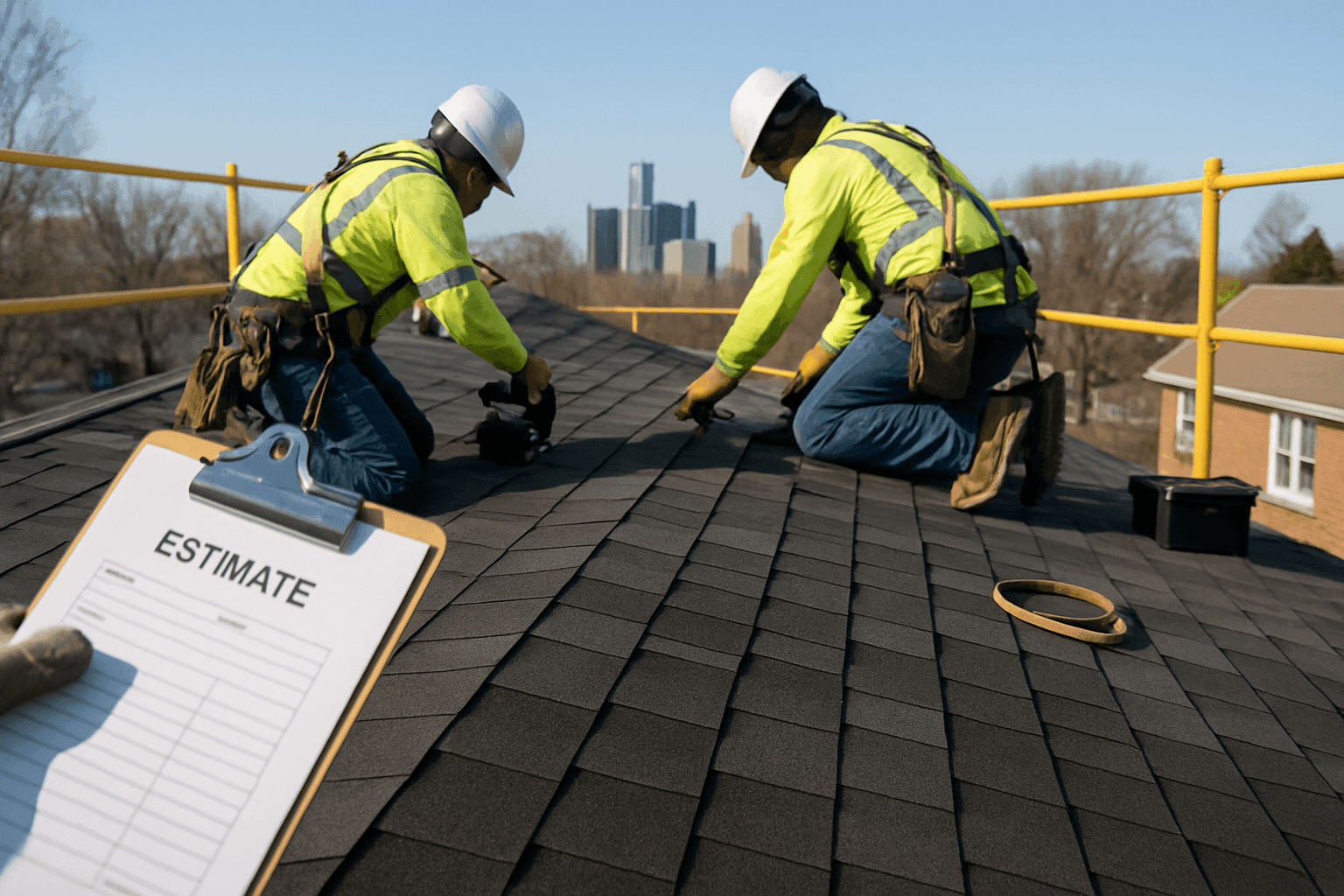
Is your roof whispering for help—or maybe even yelling? A leak after a storm. Shingles on the lawn. Or maybe it’s just old. No matter how it starts, the question always lands the same: How much will a new roof cost me?
At B & K Roofing, we know the price tag matters. Not just because it’s a big project, but because it’s the shelter over your family’s head. Let’s walk through what you really need to know in 2024—without the guesswork.
Factors Influencing Roof Cost 🏡
Every home is unique. So is every roof. The final price depends on several moving parts:
- Size of Your Roof: Think “How many blankets does my house need?” Bigger roof, more material, more labor.
- Roof Pitch & Complexity: Steep or multi-level roofs need extra care—and time. Flat roofs or simple slopes are usually easier.
- Material Choice: Asphalt shingles, metal, tile, flat membrane—each comes with its own price tag and life expectancy.
- Condition of Existing Roof: Is it a simple tear-off, or is there hidden damage? Rotten decking or multiple layers mean more work.
- Accessibility: Hard-to-reach roofs (think three-story houses or homes with lots of landscaping) add time and cost.
- Local Code Requirements: Some areas require extra underlayment, hurricane straps, or ventilation upgrades.
- Disposal Fees: Old shingles and roofing material need to be hauled away.
- Warranties & Upgrades: Want longer protection or premium options? This can bump the price.
It’s a lot—like building a pizza and watching the toppings add up.
Cost by Roofing Material (Shingle, Metal, Tile, Flat) 🏗️
Material is a game-changer. Here’s what you’ll see most often on residential homes in 2024:
Shingle Roofing
- Asphalt Shingles: Still the workhorse. Reliable and budget-friendly.
- Average Range: $5,000–$13,000 for a typical single-family home.
- Upscale Architectural Shingles: Add more curb appeal and longevity—cost a bit more.
Metal Roofing
- Standing Seam or Corrugated Panels: Durable, energy efficient, and built to last.
- Average Range: $10,000–$25,000.
- Upfront cost is higher, but metal can outlast several cycles of shingle replacement.
Tile Roofing
- Clay or Concrete Tiles: Classic look, especially in certain climates.
- Average Range: $15,000–$35,000.
- Heavier load may require extra structural support.
Flat Roof Systems
- TPO, EPDM, or Modified Bitumen: Common on modern homes or additions.
- Average Range: $7,000–$16,000.
- Flat roofs need precise installation and regular maintenance.
Note: These are ballpark figures. Your actual cost will depend on roof size, slope, local rates, and details unique to your home.
Labor and Regional Variations 🛠️
Labor is the heartbeat of roofing. It’s also the part that changes the most across the country.
- Urban Areas: Higher labor rates, more demand, and higher disposal fees. Think New York, Los Angeles, Dallas.
- Rural Areas: Labor can be less, but travel or supply costs may add up.
- Regional Weather: In areas prone to heavy snow, hurricanes, or hail, code upgrades and premium materials are often required—and may be more expensive.
- Seasonal Demand: Prices can spike during storm season or after major weather events. Emergency roofing services are in high demand, and schedules fill up.
For example, a 2,000 sq. ft. shingle roof might run $8,000 in the Midwest, but $11,000 in the Northeast where labor and disposal cost more.
What’s Included in a Quote 🔍
Not all roofing quotes are created equal. At B & K Roofing, we believe in clear, upfront pricing. Here’s what should be in any thorough estimate:
- Detailed Material List: Type, brand, and color of shingles, metal, or tile.
- Tear-Off & Disposal: Removing the old roof and cleanup.
- Decking & Structural Repairs: If rot or damage is found, you’ll see line items for repairs.
- Underlayment & Flashing: Protection against leaks.
- Ventilation & Insulation: Sometimes required by code for energy efficiency.
- Labor: How many workers, how long, and the cost breakdown.
- Warranties: Both manufacturer (materials) and workmanship (labor). Ask how long each one lasts and what’s covered.
- Permits & Inspections: Required by most local governments.
- Code Upgrades: If your home needs to meet new local or state requirements.
No-surprise policy means no sudden add-ons mid-job. You get all the details before work begins.
Tips for Budgeting and Financing 💡
A new roof is a big investment, but it doesn’t have to be overwhelming. Here’s how to plan smart:
- Get Multiple Quotes: Make sure you’re comparing apples to apples—watch for missing scope or vague details.
- Ask About Payment Options: Many homeowners use home equity loans, lines of credit, or financing through their bank.
- Check for Insurance Coverage: Storm or hail damage? Your homeowners’ insurance may help. Review your policy or talk to your agent.
- Plan for the Unexpected: Set aside 10–20% extra for surprises (like hidden rot or code upgrades).
- Prioritize Needs: If full replacement isn’t urgent, ask about repairs or phased work.
- Look for Energy Rebates: Some eco-friendly roofs or insulation upgrades qualify for local or federal incentives.
- Understand Warranties: A longer warranty sometimes costs more—but can save you down the line.
Warranties, Code Upgrades, and Insurance
Roofing isn’t just shingles and nails. Here’s what goes into protecting your investment:
- Warranties: Manufacturer warranties cover defects in materials—some last 20–50 years. Workmanship warranties cover the labor and installation. Always ask what’s included and what can void your coverage.
- Code Upgrades: Roofing codes change as safety standards improve. If your project triggers a required upgrade—like fire-resistant underlayment or improved ventilation—you’ll see it in your quote. B & K Roofing always follows the latest code guidelines (refer to the International Residential Code for details).
- Insurance: For storm, wind, or hail damage, homeowners’ insurance may cover full or partial replacement. Call your provider and keep records of all repairs and inspections.
The B & K Roofing Difference
We believe in making things easy. Our quotes are detailed. Our pricing is transparent. No last-minute surprises, no hidden fees. We walk you through every step—whether you need emergency roofing after a storm or are planning a new metal roof for years of peace of mind.
Final Thoughts
A new roof is more than a number on a page—it’s about your home’s safety, energy efficiency, and value. Take your time, ask questions, and choose a team who puts your needs first.
Call B & K Roofing now — or reach us anytime at 877-705-6856 .