How to Choose the Right Roof Material for Your Home or Business
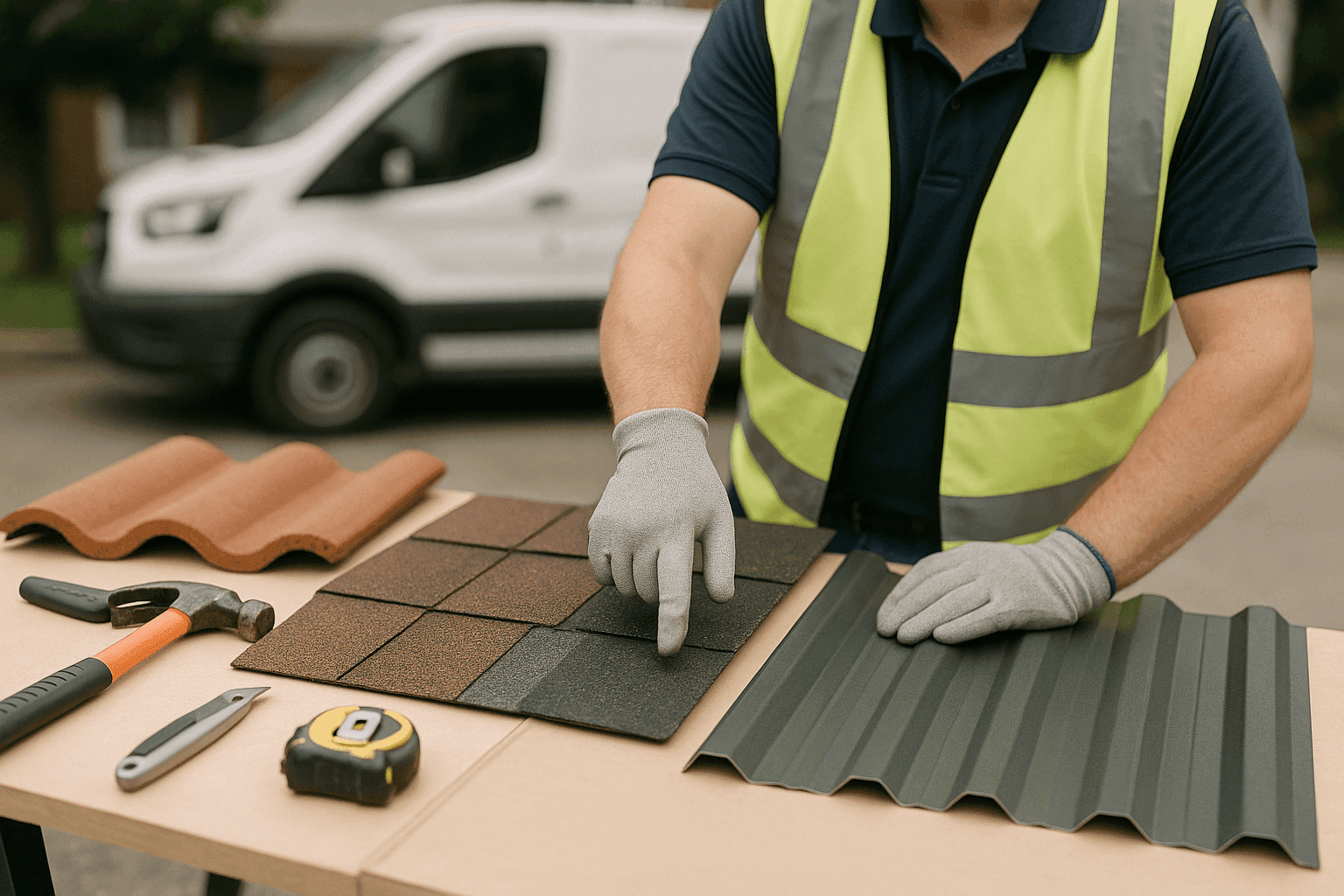
Choosing a roof isn’t just about what sits on top of your house or business. It’s about protecting your investment, ensuring comfort, and making a statement. At B & K Roofing, we’ve seen roofs stand strong through wild storms—and others that didn’t fare so well. The right choice makes all the difference.
Whether you’re building new, replacing old, or facing an emergency roofing situation, selecting the right material can feel overwhelming. Shingles, metal, tile, flat roofs—each has its own story, strengths, and quirks. Let’s break it down together.
Common Roofing Materials: Pros, Cons & Personality
Every roof tells a story. Some are tough as nails, others are light as a feather. Here are the most popular options you’ll find on homes and businesses:
Shingle Roofing
Shingle roofs are the classic pick. They’re like the blue jeans of roofing—dependable, familiar, and available in many styles and colors.
- Pros: Affordable, easy to repair, wide color and style selection.
- Cons: Not as long-lasting as some alternatives, can suffer in extreme weather.
- Best For: Most residential homes, especially when budget is a concern.
Metal Roofing
Metal roofs are the armor-plated trucks of the roofing world. They shrug off hail, rain, and wind with ease.
- Pros: Extremely durable, fire-resistant, reflects heat, often recyclable.
- Cons: Higher upfront cost, can be noisy in heavy rain (unless properly insulated).
- Best For: Homes and businesses seeking longevity and low maintenance.
Tile Roofing
Tile roofs bring a timeless, elegant look. Think of them as the tailored suits of roofing—classic and built to impress.
- Pros: Long lifespan, excellent in hot climates, resists rot and insects.
- Cons: Heavy (may require extra structural support), more expensive, can be brittle.
- Best For: Properties with sturdy frames, owners who want style and substance.
Flat Roofs
Flat roofs are the workhorses for many businesses. They’re practical and create usable space for HVAC or even rooftop gardens.
- Pros: Simple, quick to install, easy access for maintenance.
- Cons: Drainage challenges, may require more frequent inspections.
- Best For: Commercial buildings, modern homes, or structures with low slopes.
Factors to Consider Before You Decide 🏡
It’s not just about looks. The right roof needs to work for your climate, your budget, and your lifestyle. Here’s what to weigh:
Climate Suitability
A roof is your shield against the elements. In areas with heavy rain or snow, steep slopes and water-resistant materials are key. For hot, sunny climates, reflective surfaces like metal or light-colored tiles can keep things cooler.
Durability & Lifespan
Some roofs are built for the long haul. Metal and tile can last 40–70 years or more. Shingles usually offer 15–30 years. Flat roofs vary, but regular maintenance is essential.
Maintenance Needs
Ask yourself: How much time do you want to spend on upkeep? Shingles and flat roofs may require more frequent inspections and repairs, while metal and tile need less hands-on care.
Cost
Budget matters. Shingles are generally the most affordable upfront. Metal and tile cost more to install, but their longevity can balance the investment over time. Remember to factor in maintenance and potential repairs.
Environmental Impact
Eco-friendly options are on the rise. Metal roofs are often made from recycled material and can be recycled again. Cool roof coatings help reduce heat absorption. Green roofs (with vegetation) and solar-ready options are also gaining traction.
Lifespan & Performance: A Quick Comparison
- Shingle: 15–30 years. Good all-rounder, but can be vulnerable to severe storms.
- Metal: 40–70 years. Withstands wind, hail, and fire. Low maintenance.
- Tile: 50+ years. Excellent longevity, especially in the right climate.
- Flat: 10–30 years. Performance depends on materials and regular care.
No material is invincible. Regular inspections and prompt repairs are the secret sauce to maximizing any roof’s life.
Matching Roofs to Your Property’s Style
Your roof should be more than just functional—it should fit your property’s personality.
- Traditional homes: Shingles or tiles often blend best.
- Modern designs: Flat roofs or standing-seam metal make a bold statement.
- Historic properties: Clay or slate tiles can preserve classic charm.
- Commercial buildings: Flat or low-slope metal roofs are practical and efficient.
Think of your roof as the hat that completes your property’s outfit. The right style turns heads for the right reasons.
Eco-Friendly Roofing Options 🌱
Sustainability isn’t just a trend—it’s a responsibility. If you’re looking to reduce your environmental footprint, consider:
- Cool roofs: Reflect sunlight, lower energy bills.
- Metal roofs: Often made from recycled steel or aluminum.
- Green roofs: Layers of vegetation that insulate and purify the air.
- Solar-ready roofs: Designed to support solar panels.
- Recycled shingles: Made from rubber, plastic, or reclaimed wood.
Always check for products that meet ENERGY STAR® or similar standards for efficiency.
Key Safety Checklist Before Any Roofing Project
Safety comes first, always. Before starting any roofing work—DIY or professional—run through this list:
- Inspect for loose or damaged shingles, tiles, or panels.
- Check gutters and downspouts for blockages.
- Look for signs of leaks or water stains inside.
- Make sure ladders and scaffolding meet OSHA safety guidelines.
- Wear proper footwear and use fall protection.
- Never work on a wet or icy roof.
- Keep pets and children away from the work area.
For more on safe practices, refer to the Occupational Safety and Health Administration (OSHA) roofing safety standards.
Should You DIY or Call a Professional?
Some repairs seem simple. But roofing is tricky—one misstep can lead to leaks, injuries, or costly mistakes.
- DIY: Small tasks like clearing gutters or replacing a few shingles.
- Call a Pro: Major repairs, structural issues, storm damage, or anything involving heights and safety hazards.
A professional brings experience, the right tools, and knowledge of building codes. Plus, we spot what most folks miss.
What to Expect When the Pros Arrive
When you call B & K Roofing, here’s what happens:
- Inspection: We assess the roof from top to bottom, inside and out.
- Diagnosis: We identify issues—leaks, rot, flashing problems, or storm damage.
- Recommendations: We walk you through options, balancing cost, durability, and aesthetics.
- Action: Whether it’s repair, replacement, or emergency roofing, we get to work—safely and efficiently.
We follow industry best practices and use materials that meet or exceed ASTM standards.
Prevention & Maintenance Tips
A little care goes a long way. Keep your roof in top shape with these simple habits:
- Clean gutters and downspouts twice a year.
- Trim back overhanging branches.
- Check attic insulation and ventilation.
- Inspect after severe storms.
- Address small leaks or damage promptly.
Preventative maintenance is like regular oil changes for your car—skip it, and you’ll pay more down the road.
Costs & Time Factors
Roofing costs vary widely based on material, size, and complexity. Here’s what to keep in mind:
- Shingles: Lower upfront cost, quicker installation.
- Metal or tile: Higher initial investment, longer lifespan.
- Flat roofs: Moderate cost, may need more frequent maintenance.
Installation can take anywhere from a day (simple shingle replacement) to a week or more (complex tile or metal jobs). Repairs and emergency roofing are usually faster but depend on the extent of the damage.
When It’s an Emergency 🚨
Leaks, storm damage, or sudden structural issues can’t wait. Emergency roofing means acting fast to prevent further harm.
- Temporary fixes: Tarping or patching to stop water intrusion.
- Assessment: Identifying the true source of the problem.
- Permanent repair: Replacing damaged materials and restoring integrity.
If you spot water stains, hear dripping, or see missing shingles after a storm, don’t wait. Quick action saves money and stress.
FAQ: Roofing Material Choices
How do I know which roof material is best for my climate?
Look for materials rated for wind, rain, or sun exposure as needed. Building codes and local weather records offer guidance.
Is metal roofing noisy during rain?
Not if installed with proper insulation—modern metal roofs are much quieter than you might think.
Can I install a new roof over my old one?
Sometimes, but it depends on the existing structure and local building codes. A professional inspection is the safest bet.
Are eco-friendly roofs more expensive?
Some are, but many pay off in lower energy bills and longer lifespan. Incentives may be available for certain products.
Special Considerations for Your Project
- Structural support: Heavy materials like tile may need reinforcement.
- Building codes: Always check local requirements for fire resistance, wind uplift, and installation methods.
- Aesthetics: Some neighborhoods or business parks have guidelines for roof appearance.
- Future plans: If you’re considering solar panels or skylights, plan ahead with your roofer.
The Bottom Line
Your roof is more than just shelter—it’s security, style, and peace of mind. Choosing the right material is a big decision, but you don’t have to do it alone. At B & K Roofing, we bring decades of hands-on experience and a full menu of services, from emergency roofing to eco-friendly upgrades.
Call B & K Roofing now — or reach us anytime at 877-705-6856 .