How to Maintain Your Roof Year-Round: A Seasonal Homeowner’s Guide
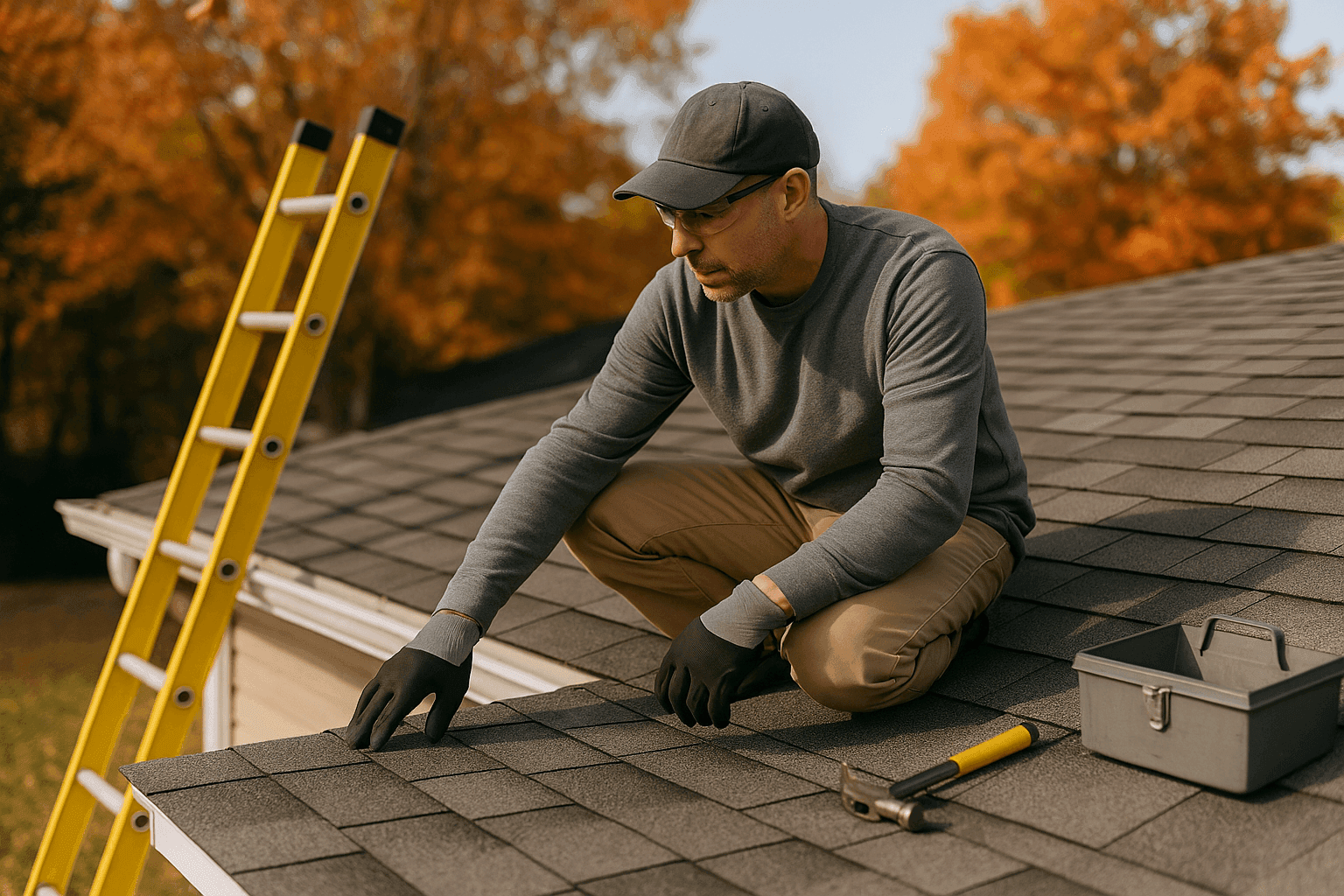
Everyone wants a sturdy roof overhead—until something goes wrong. A small leak can become a waterfall overnight. Missing shingles? That’s an open invitation for trouble.
At B & K Roofing, we know that regular, seasonal care is the secret to keeping your roof in top shape. Whether you’re a homeowner or a small business owner, this guide will help you spot issues early, avoid emergency roofing calls, and protect your investment year after year.
Spring Roof Maintenance: Cleaning and Inspection 🌱
Spring is the season of renewal. It’s also the perfect time to shake off winter’s leftovers and check your roof for hidden problems.
What to Look For
- Debris Build-Up: Fallen branches, leaves, and dirt can clog gutters and downspouts.
- Shingle Damage: Look for curling, cracking, or missing shingles. These are weak spots waiting to leak.
- Flashing and Sealants: Inspect metal flashing around chimneys, skylights, and vents. Weak or missing sealant means water can sneak in.
- Gutter Condition: Sagging or blocked gutters can cause water to back up under your roof or pool at your foundation.
Action Steps
- Safely remove debris from your roof and gutters.
- Check for moss or algae growth—these can trap moisture and slowly eat away at roofing materials.
- Examine attic insulation and ventilation. Proper airflow helps your roof dry out and prevents mold.
- Schedule a professional inspection if you notice soft spots, water stains, or daylight peeking through the attic.
Tip: Always use a sturdy ladder and wear slip-resistant shoes. If you’re unsure, call a professional. According to the Occupational Safety and Health Administration (OSHA), falls are a leading cause of home injuries.
Summer Roof Care: Preventing Heat Damage and Leaks ☀️
Long, hot days can turn your roof into a frying pan. UV rays and heat can bake shingles, dry out sealants, and make small cracks worse.
What to Watch
- Shingle Blistering: Bubbles or blisters mean the shingles are overheating.
- Cracked Caulk & Sealants: These cracks can let water seep in during summer storms.
- Ventilation Issues: Poor attic ventilation traps heat, raising your energy bills and aging your roof faster.
- Skylight and Chimney Flashing: Expansion from heat can loosen metal flashing, opening the door to leaks.
Action Steps
- Check for signs of sun damage—discolored, warped, or brittle shingles.
- Inspect caulking and sealants around roof penetrations. Reapply as needed.
- Make sure attic vents are clear and fans are working.
- Trim overhanging tree branches to prevent storm damage and reduce shade that encourages moss.
Tip: Consider eco-friendly options like cool roof coatings or reflective shingles to reduce heat absorption and lower cooling costs.
Fall Preparations: Gutter Cleaning and Storm Readiness 🍂
Autumn is beautiful—but falling leaves can spell disaster for your gutters and roof. This is the time to get ready for heavy rain and wind.
What to Address
- Gutter Cleaning: Remove leaves, twigs, and debris to prevent clogs and water overflow.
- Downspout Checks: Ensure water flows freely away from your foundation.
- Roof Flashing: Inspect flashing and sealants before storm season arrives.
- Shingle and Tile Check: Look for loose or damaged roofing materials.
Action Steps
- Clean gutters and downspouts thoroughly.
- Install gutter guards if you have lots of nearby trees.
- Secure loose shingles, tiles, or flashing.
- Check attic and roof decking for signs of leaks or moisture.
- Test sump pumps and make sure drainage systems are clear.
Tip: The Insurance Institute for Business & Home Safety (IBHS) recommends regular gutter cleaning to prevent water damage and ice dams.
Winter Protection: Ice Dams and Emergency Tips ❄️
Winter brings snow, ice, and freezing rain. Your roof needs extra help to survive the coldest months.
What to Watch
- Ice Dams: These form when heat escapes from your attic, melting snow that refreezes at the eaves.
- Heavy Snow Loads: Too much snow can strain your roof’s structure.
- Frozen Gutters: Blocked gutters can fill with ice, causing water to back up under shingles.
- Leaks and Drafts: Watch for new water stains or cold spots inside.
Action Steps
- Keep gutters clear before the first snow.
- Remove snow from your roof with a roof rake—never climb onto an icy roof.
- Check attic insulation and ventilation to keep heat inside where it belongs.
- Look for icicles forming along the eaves—these are a sign of poor insulation or ventilation.
- If you spot a leak or sagging, call for emergency roofing help right away.
Tip: The Federal Emergency Management Agency (FEMA) advises homeowners to address ice dams promptly to avoid major interior damage.
Your Seasonal Roof Maintenance Checklist
Stay on track with this simple list:
- Inspect shingles, tiles, and flashing each season.
- Clean gutters and downspouts in spring and fall.
- Check attic insulation and ventilation twice a year.
- Remove debris from the roof after storms.
- Trim nearby trees and branches.
- Look for water stains or soft spots in your attic.
- Schedule professional inspections annually or after major storms.
When to Call a Roofing Professional
Some jobs are DIY-friendly. Others? Not so much. If you notice:
- Persistent leaks or water stains
- Sagging rooflines or decking
- Missing, broken, or blistered shingles
- Damaged flashing or sealants
- Moss, mold, or algae growth you can’t remove safely
…it’s time to call in a pro. Roofing work can be dangerous, especially on steep or slippery surfaces. Licensed contractors have the right tools and training to handle repairs safely and efficiently.
What to Expect When Pros Arrive
A professional roofing team, like B & K Roofing, will:
- Perform a thorough inspection—inside and out
- Identify hidden damage and weak spots
- Recommend repairs or preventative measures
- Use safety equipment and follow building codes
- Handle emergency roofing situations quickly and safely
You’ll get peace of mind knowing the job is done right.
Preventative Maintenance: The Secret to a Long-Lasting Roof
Think of your roof like a car. Regular oil changes keep it running. Regular maintenance keeps your roof strong and leak-free. Preventative care:
- Extends your roof’s lifespan
- Reduces the risk of emergency repairs
- Saves money over time by catching problems early
Don’t wait until you see water dripping from the ceiling. Small fixes now can save you big headaches later.
Costs and Time Factors
Roof maintenance costs vary depending on your roof type, size, and the work needed. Simple tasks like cleaning gutters or replacing a few shingles are quick and affordable. More involved repairs—like structural fixes or storm damage restoration—take longer and cost more.
- DIY tasks: A few hours, minimal cost for supplies
- Professional inspections: Usually under an hour
- Minor repairs: 1–2 days
- Major repairs or replacement: Several days to a week
Investing a little time each season can help you avoid big bills down the road.
When It’s an Emergency
Some roof problems can’t wait. Call for emergency roofing help if you notice:
- Active leaks during a storm
- Sudden sagging or collapse
- Large sections of missing shingles after high winds
- Water pouring from your ceiling or walls
Quick action can limit damage and protect your property.
Frequently Asked Questions
How often should I inspect my roof?
Check your roof at least twice a year—spring and fall—and after major storms.
Can I clean my own gutters?
Yes, but use caution. Wear gloves, use a sturdy ladder, and never reach too far. If you’re not comfortable, hire a professional.
What’s the best way to prevent ice dams?
Good attic insulation and ventilation are key. Keep gutters clear and remove snow from the roof’s edge if needed.
How long does a typical roof last?
Most roofs last 15–30 years, depending on materials and maintenance. Regular care helps maximize lifespan.
Special Considerations for Different Roof Types
- Shingle Roofs: Watch for curling, cracking, and missing pieces.
- Metal Roofs: Check for loose fasteners and rust spots.
- Tile Roofs: Look for cracked or slipped tiles, especially after storms.
- Flat Roofs: Inspect for ponding water and membrane damage.
Each type has its own quirks, but all benefit from regular checks and timely repairs.
Protecting your roof is one of the smartest investments you can make for your home or business. If you spot trouble or just want peace of mind, Call B & K Roofing now — or reach us anytime at 877-705-6856 .