How to Prepare Your Roof for Winter Storms: A Homeowner’s Guide
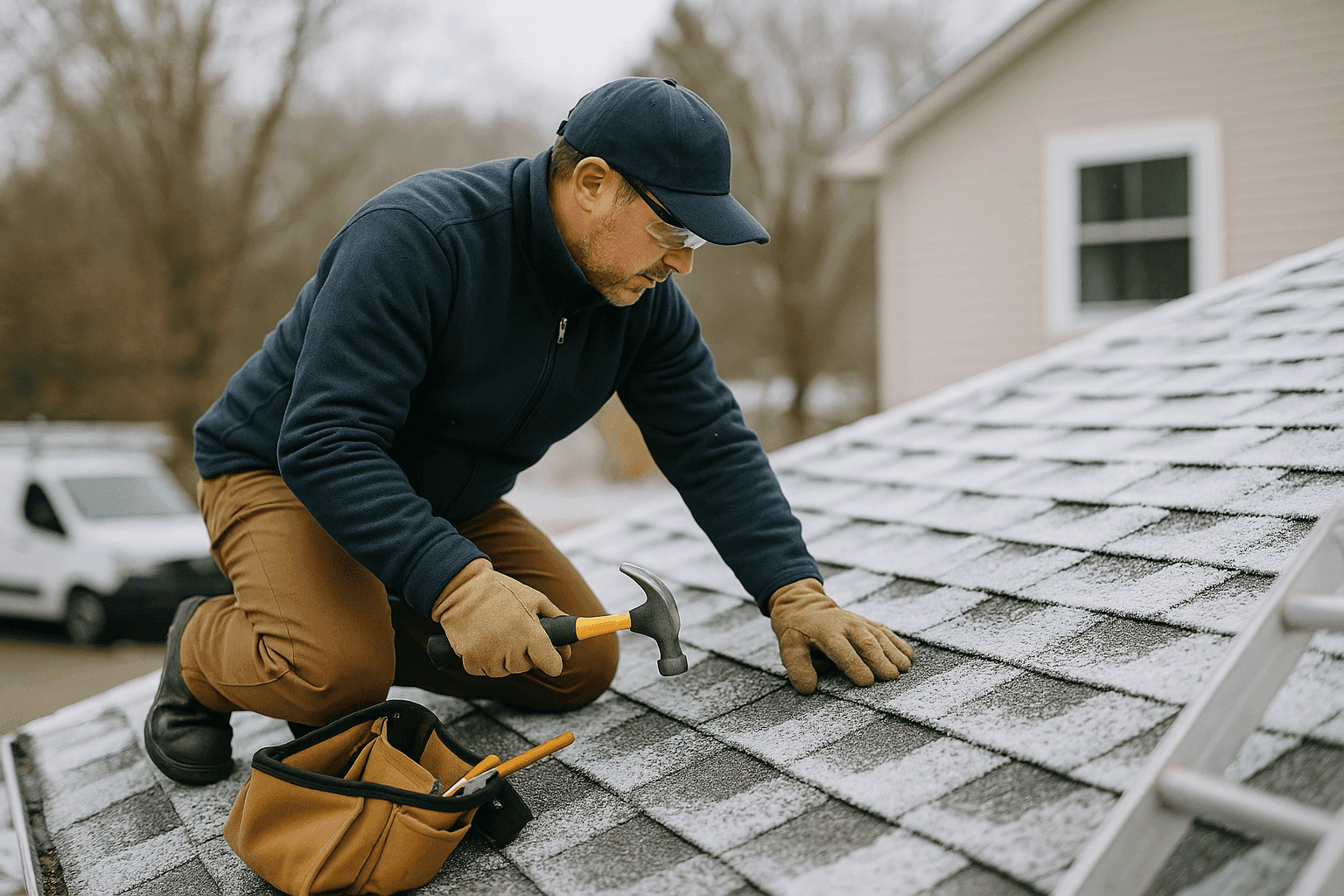
Winter storms can sneak up on you, turning a small roof issue into a waterfall in your living room overnight. If you’ve ever heard the drip-drip-drip of a leak during a snowstorm, you know the stress it brings.
At B & K Roofing, we’ve seen how a little preparation can save a lot of money—and headaches. This guide lays out what you can do now to keep your home or business safe, dry, and ready for whatever winter throws your way.
Why Winter Storms Threaten Your Roof ❄️
Your roof takes the brunt of winter’s worst. Snow piles up. Ice clings to the edges. Wind whips shingles loose. When temperatures swing above and below freezing, water seeps into cracks, then expands as it turns to ice—prying apart even the smallest gaps.
Common winter roof risks include:
- Ice dams: These form when melting snow refreezes at the edge of your roof, trapping water behind it.
- Heavy snow loads: Too much snow adds weight, stressing roof structures.
- Wind damage: Shingles, flashing, and gutters can all be ripped away.
- Freeze-thaw cycles: Water finds its way into seams, freezes, and forces things apart.
The result? Leaks, mold, damaged insulation, and sometimes even structural issues. According to the International Association of Certified Home Inspectors (InterNACHI), regular maintenance before winter can prevent most cold-weather roof failures.
Quick Safety Checklist Before Winter Hits
Before the first snowflake falls, run through this checklist. Stay safe—never climb on a roof if it’s icy, wet, or you feel unsure.
- Inspect your roof from the ground with binoculars for missing or damaged shingles.
- Check attic insulation and ventilation for signs of moisture or mold.
- Clean gutters and downspouts to ensure water flows freely.
- Trim tree branches hanging over the roof.
- Look for cracked or missing sealant around vents, skylights, and chimneys.
- Confirm attic vents are not blocked by insulation or debris.
- Test smoke and carbon monoxide detectors inside.
If you spot anything that worries you, don’t wait. Small problems become big ones in a hurry during a storm.
Key Steps to Winterize Your Roof
Think of winterizing your roof like bundling up before heading into a blizzard. The right layers and preparation make all the difference.
1. Inspect and Repair Shingles
Loose, curling, or missing shingles are like holes in your winter coat. Replace or repair them before snow and ice arrive. Pay special attention to the roof’s edges and valleys—these are the first places water sneaks in.
2. Clear Gutters and Downspouts
Clogged gutters turn melting snow into a flood. Water backs up, seeps under shingles, and finds its way inside. Use gloves and a sturdy ladder to remove leaves, twigs, and gunk. Flush with a hose if temperatures allow. Make sure downspouts direct water well away from your foundation.
3. Enhance Attic Insulation and Ventilation
A warm attic melts snow on the roof, which then refreezes at the edges, causing ice dams. Proper insulation keeps heat inside your home, while ventilation lets cold air circulate under the roof. The U.S. Department of Energy recommends at least R-38 insulation in attics for most homes.
4. Apply Sealants to Vulnerable Areas
Check around chimneys, skylights, vents, and flashing. Use roofing-grade sealant to close any gaps or cracks. Flashing should be snug and rust-free. If you see daylight where you shouldn’t, it’s time for repairs.
5. Schedule a Professional Roof Inspection
A trained eye can spot problems you might miss. Professional inspections follow guidelines from organizations like the National Roofing Contractors Association (NRCA) and can catch hidden leaks, weak spots, or insulation issues before winter makes them worse.
Emergency Preparedness for Winter Roof Damage 🚨
Even the best-prepared roofs can take a beating from a major storm. Be ready with a plan:
- Know where your main water shutoff is in case of leaks.
- Keep tarps and buckets handy for quick, temporary fixes.
- Have the number for emergency roofing services saved in your phone.
- If you see sagging, cracking, or hear popping noises in your roof, evacuate the area and call for help.
Never try to shovel snow or chip ice off your roof yourself—it’s dangerous and can cause more damage.
DIY vs. Call a Pro: Knowing Your Limits
Some maintenance is safe for handy homeowners. Clearing gutters, checking insulation, and spotting obvious shingle issues can often be done from the ground or attic.
But when it comes to:
- Climbing on steep or icy roofs
- Repairing flashing or structural elements
- Handling major leaks or storm damage
It’s time to call in professionals. Roofing work involves fall risks and specialized tools. According to OSHA, falls are a leading cause of home repair injuries. When in doubt, don’t risk it.
What Pros Do On Arrival
When emergency roofing crews arrive, they move fast:
- Assess the damage from inside and out.
- Install tarps or temporary patches to stop water intrusion.
- Identify structural risks, like weakened decking or supports.
- Check for hidden moisture or mold in insulation and attic spaces.
- Plan permanent repairs based on building codes and manufacturer guidelines.
They bring safety gear, experience, and the right materials for cold-weather repairs—so your roof is protected as quickly as possible.
Prevention & Maintenance: Your Best Defense
A little care now saves a lot later. Here’s what ongoing maintenance looks like:
- Semi-annual inspections: Spring and fall are best.
- Routine gutter cleaning: Especially after leaves drop.
- Attic checks: Look for moisture, mold, or animal nests.
- Sealant touch-ups: Around flashing, vents, and skylights.
- Tree trimming: Keep branches at least six feet from your roof.
These steps, recommended by the National Roofing Contractors Association, keep small problems from turning into big emergencies.
Costs & Time Factors
Roof maintenance and repairs range widely in cost and time. Here’s what to expect:
- Basic inspection: Usually takes 1–2 hours.
- Gutter cleaning: Often done in under half a day.
- Minor shingle or sealant repairs: Can be completed in a few hours.
- Major storm repairs or replacements: May take several days, depending on weather and material availability.
Emergency roofing services may cost more, especially during off-hours or severe weather. Investing in regular maintenance is almost always cheaper than repairing storm damage.
When It’s an Emergency
Call emergency roofing services if you notice:
- Water actively leaking into your home or business
- Sagging ceilings or walls
- Large sections of missing shingles or flashing
- Visible structural damage after a storm
Quick action can prevent further destruction and protect your belongings. Never ignore signs of major roof trouble, especially during freeze-thaw cycles.
Frequently Asked Questions
How often should I have my roof inspected?
Twice a year—once in fall, once in spring. Additional inspections are smart after major storms or if you notice signs of trouble.
Can I remove snow or ice from my roof myself?
It’s best to leave this to professionals. Walking on a snowy or icy roof is dangerous, and improper removal can damage shingles or flashing.
What should I do if I find a leak during a storm?
Contain the water with buckets or towels. Move valuables out of harm’s way. Call emergency roofing services as soon as possible.
Does insurance cover winter roof damage?
Coverage depends on your policy and the cause of damage. Contact your insurance provider for details and document all damage with photos.
Special Considerations for Winter Roofing
Winter roof work comes with extra challenges. Materials can be brittle, adhesives may not cure as quickly, and icy conditions make every step riskier. Professional crews use cold-weather techniques and follow Occupational Safety and Health Administration (OSHA) safety standards to protect themselves and your property.
If your building has a flat roof, be extra vigilant—these are more prone to pooling water and heavy snow loads. Metal, tile, and shingle roofs each have their own winter quirks, so maintenance should be tailored to your roof type. Skylights, chimneys, and other roof features need special attention to prevent leaks and ice dams.
Winter storms don’t have to catch you off guard. With a little preparation and the right help, your roof can weather any storm. For inspections, maintenance, or emergency roofing, Call B & K Roofing now — or reach us anytime at 877-705-6856 .