Roof Flashing Repair: Stop Leaks at Their Source
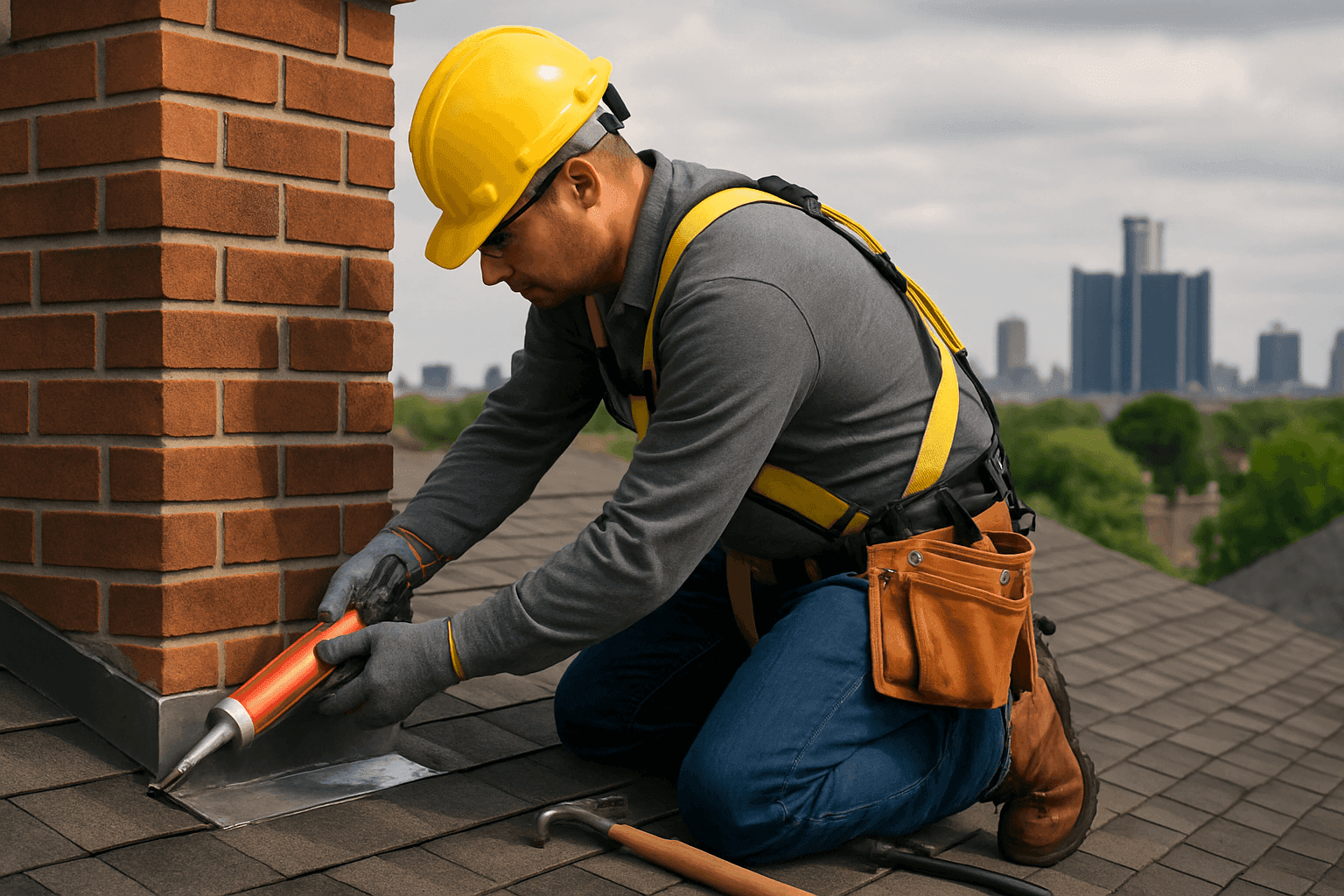
Your roof is like a shield. But even the strongest armor has weak points. For roofs, the real heroes are the thin strips of metal or plastic—flashing—that keep water out where it’s needed most.
When flashing fails, leaks don’t wait. Water slips in quietly, finding cracks, edges, and seams. The result? Stains on your ceiling, warped wood, ruined insulation, and a headache that only grows. At B & K Roofing, we know these moments never come at a good time. That’s why our emergency roofing team moves fast—day or night.
What Is Roof Flashing? 🏠
Think of flashing as the raincoat your roof wears at the most vulnerable spots. It’s typically made from aluminum, galvanized steel, or sometimes flexible plastic. Flashing is installed wherever the roof meets anything that isn’t shingles—chimneys, vents, skylights, and valleys.
- Purpose: To guide water away from seams and joints, sending it safely off your roof.
- Types: Step flashing (for walls), counter flashing (over step flashing or chimneys), valley flashing, and vent flashing.
Flashing isn’t flashy. But it’s essential. Without it, even a brand-new roof is exposed to leaks.
Signs of Flashing Failure
How do you know if flashing is letting water in? Sometimes, it’s obvious—a brown spot on the ceiling after a rainstorm. Other times, it’s sneaky.
- Water stains or peeling paint near chimneys or skylights.
- Dripping sounds in the attic during rain.
- Rust, cracks, or gaps along flashing edges.
- Loose or missing shingles close to roof penetrations.
- Moldy smells from hidden moisture.
If you spot any of these signs, don’t shrug it off. Small leaks turn big, fast.
Common Leak Points: Chimneys, Vents & Skylights
Water is persistent. It finds the tiniest gaps. Most leaks start where the roof changes shape:
Chimneys
Chimney bases collect water, especially if flashing is rusted, bent, or missing. Cracked mortar can also create pathways for leaks.
Vents
Plumbing vents and exhaust pipes pierce the roof. Flashing around these pipes must stay sealed tight, or water runs down the pipe and into your attic.
Skylights
A beautiful feature—until water sneaks in. Poorly installed or aging skylight flashing is a classic source of drips, especially after storms.
Professional Repair Steps
When B & K Roofing arrives, we don’t just patch—our emergency roofing approach finds the source.
-
Inspection:
- We trace stains and moisture back to their entry point.
- Sometimes, water travels far from the actual leak.
-
Remove Old Flashing:
- Carefully lift shingles or tiles.
- Remove corroded, bent, or broken flashing.
-
Surface Preparation:
- Clean the area thoroughly.
- Look for rot, mold, or damaged roof decking.
-
Install New Flashing:
- Secure new flashing, overlapping joints to channel water away.
- Use corrosion-resistant nails and high-grade sealants.
-
Seal & Test:
- Seal all edges and nail heads.
- Hose test, when safe, to ensure the repair holds.
-
Restore Roofing Materials:
- Shingles, tiles, or metal panels are replaced and sealed.
Preventative Measures
You don’t have to wait for leaks. A little prevention protects your home—and your wallet.
- Annual Roof Inspections:
Schedule regular check-ups, especially before storm season. - Keep Gutters Clean:
Blocked gutters can force water under flashing. - Trim Overhanging Branches:
Falling limbs break flashing and let in water. - Watch for Wildlife:
Squirrels or birds may pry up flashing looking for shelter. - Upgrade Materials:
Modern, rust-resistant flashing lasts longer and withstands storms.
The International Residential Code (IRC) recommends all flashing be installed to direct water away from critical joints (see IRC Section R903.2.1).
Why Flashing Fails: Real-World Causes
- Old Age:
Even tough metals rust and crack over decades. - Poor Installation:
Gaps, overlaps, and shortcuts mean water wins. - Storm Damage:
Wind can lift flashing; hail can dent or crack it. - Settlement:
Houses shift, creating new gaps at old seams.
B & K Roofing’s Approach
Our crews don’t just fix what’s obvious. We dig deeper, looking for hidden damage. We use professional-grade sealants and corrosion-resistant materials. Every repair is double-checked—because leaks hide, but we know where to look.
The Importance of Timely Roof Flashing Repair
Waiting gives water time to do more damage—rot, mold, and even structural problems. Fast action saves your home and keeps repair costs down.
Practical Tips for Homeowners
- After storms, walk the perimeter and look for debris, bent metal, or shingle piles.
- Check your attic for stains or musty smells after heavy rain.
- Keep a photo record—before and after repairs are made.
- If you spot signs of a leak, call emergency roofing help right away.
Frequently Asked Questions
How long does roof flashing last?
Most metal flashing lasts 20–30 years if installed well and maintained.
Can I repair roof flashing myself?
Small fixes are possible, but working on roofs is risky. Safety and proper sealing matter—call a pro if you’re unsure.
Does insurance cover flashing repairs?
Damage from storms often is covered, but wear-and-tear repairs usually are not. Check your policy.
Is flashing needed on every roof type?
Yes—tile, shingle, metal, flat or pitched. Any intersection or penetration needs flashing.
Storms & Seasonal Concerns 🌧️
Spring and fall are prime times for leaks. Heavy rain tests every seam. In winter, freeze/thaw cycles force flashing to flex, sometimes opening gaps. In areas with frequent storms or high winds, schedule extra inspections.
Safety & Building Codes
Always follow OSHA safety guidelines when working at height. The National Roofing Contractors Association (NRCA) and local building codes outline best practices for flashing installation and repairs.
When It’s an Emergency
If water is pouring in or electrical systems are at risk, call emergency roofing help immediately. Fast, professional repairs can stop damage before it spreads.
A leak won’t wait. Neither should you. For fast, precision roof flashing repair—day or night—
Call B & K Roofing now — or reach us anytime at 877-705-6856 .