The Homeowner’s Guide to Roof Inspections: What to Expect
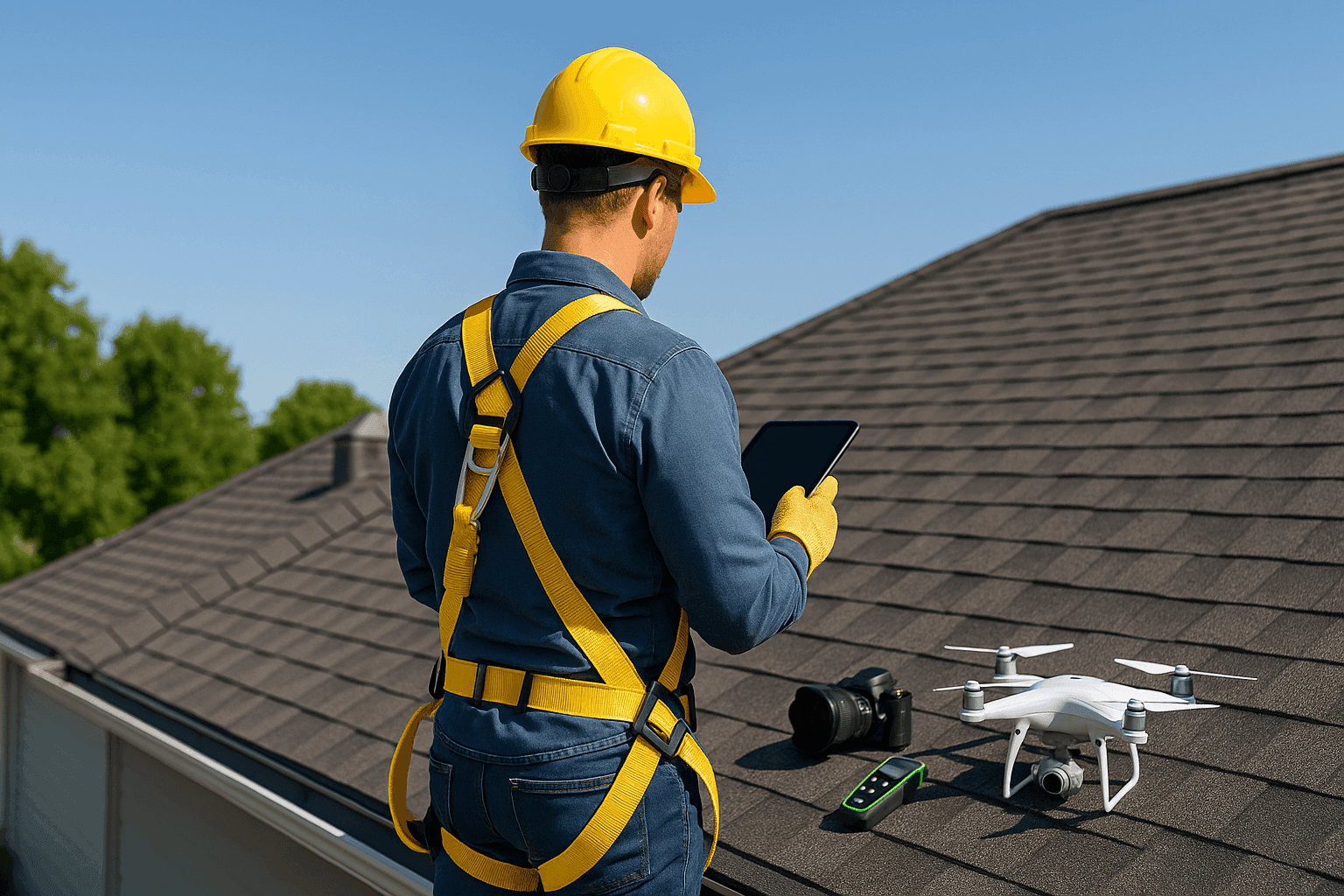
Owning a home means looking after the roof that keeps your family safe. If you’ve ever wondered what really happens during a roof inspection—or if you even need one—you’re not alone. Many homeowners put off inspections until there’s a leak or a storm leaves its mark. But waiting too long can turn a small fix into a big emergency.
At B & K Roofing, we’ve seen it all: flat roofs with hidden leaks, missing shingles after a summer storm, and skylights letting in more than just sunlight. Let’s walk through what you can expect from a professional inspection, why it matters, and how it could save you from an expensive surprise.
Why Regular Roof Inspections Matter 🏠
Think of your roof as a raincoat for your house. Over time, even the best raincoat gets worn out. Shingles curl, flashing loosens, and gutters clog. Small issues can grow, letting water sneak in and cause damage you can’t see from the ground.
Why schedule inspections?
- Catch leaks early: Water stains on your ceiling often mean the damage started months ago.
- Protect your investment: Just like oil changes for your car, routine checkups keep your home in shape.
- Stay safe: Unnoticed damage can lead to mold, rot, or even structural problems.
- Meet insurance and warranty requirements: Many policies expect regular inspections, especially after storms.
How often should you get an inspection?
- Twice a year: Once in the spring, once in fall.
- After major storms: Wind, hail, and heavy rain can cause damage that isn’t obvious.
- If you notice warning signs: Sagging, missing shingles, or water spots mean it’s time.
The National Roofing Contractors Association recommends these seasonal checkups for a reason. Preventing a roofing emergency is always cheaper than handling one.
What Inspectors Look For
Professional inspectors use sharp eyes—and sharp tools. Here’s what happens up on your roof and in your attic:
The Exterior Roof Check
- Shingles and Tiles: Are any missing, cracked, curled, or loose?
- Flashing and Seals: Around chimneys, skylights, vents—are they tight or showing gaps?
- Gutters and Downspouts: Clogged? Sagging? Detached from the fascia?
- Roof Deck: Any soft spots or signs of sagging?
- Cap and Ridge: Are the highest points in good condition?
The Interior/Attic Inspection
- Water Stains: On rafters, insulation, or ceilings.
- Ventilation: Is air flowing properly to prevent heat and moisture buildup?
- Insulation: Is it dry and evenly laid?
- Mold or Mildew: Any signs of moisture sneaking in?
Tools of the Trade
- Moisture Meters: These detect hidden dampness that can’t be seen or felt.
- Drones: For hard-to-reach or steep roofs, drones provide a bird’s-eye view (and detailed photos).
- Infrared Cameras: Sometimes used to spot temperature differences caused by leaks.
- Ladders, Harnesses, and PPE: Safety always comes first.
Inspectors follow guidelines from sources like the International Association of Certified Home Inspectors (InterNACHI) and always comply with local building codes.
How Problems Are Documented
Ever get a mechanic’s report that’s more confusing than the repair itself? Roofing inspections shouldn’t be like that. At B & K Roofing, clear reporting is part of our process.
How do we document findings?
- Photos: Before and after shots, close-ups of trouble spots, and drone images when needed.
- Written notes: Simple language, not technical jargon.
- Checklists: Marking the condition of each component—shingles, flashing, gutters, and more.
- Recommendations: What needs fixing now, what can wait, and what’s just fine.
You’ll get a copy for your records—handy if you ever need to show your insurance company, or if you’re thinking about selling your home.
Typical Inspection Timeline ⏱️
Inspections aren’t all-day affairs. Here’s what you can expect, step by step:
- Arrival and Safety Prep (10–15 mins): Inspectors gear up with fall protection and check access points.
- Exterior Roof Walk (20–40 mins): Visual check, photos, notes, and tool use.
- Drone Survey (if needed, 10–20 mins): For steep or large roofs.
- Attic/Interior Check (15–30 mins): Inspecting for leaks, stains, and ventilation issues.
- Wrap-up and Reporting (15–30 mins): Compiling notes, reviewing findings with you, and answering questions.
Total time: Usually 1–2 hours for an average home. Big properties or complex roofs may take longer.
What Happens Next
So, the inspection is done. Now what?
If No Problems Are Found
Congratulations! You’ll get an all-clear report and a reminder to schedule your next checkup.
If Repairs Are Needed
- Priority List: What’s urgent, what can wait.
- Options: Repair vs. replacement, emergency roofing if needed.
- Code Compliance: All recommendations follow local building codes and manufacturers’ specs.
For Emergencies
Sometimes, an inspection uncovers an immediate risk—like active leaks or structural problems. In those cases, B & K Roofing can coordinate emergency roofing services right away, securing tarps or temporary fixes to prevent further damage until repairs are scheduled.
Credentials, Reporting Standards, and Code Compliance
Letting someone up on your roof isn’t a leap of faith. All B & K Roofing inspectors:
- Are trained in OSHA safety standards.
- Hold certifications recognized by industry bodies (like NRCA).
- Stay updated on local and state building codes.
- Use reporting templates modeled after InterNACHI and ASTM standards, making sure nothing is overlooked.
We believe in full transparency, so you’ll always know what was checked, what was found, and how to move forward.
Tips for Homeowners: Inspection Frequency and Best Practices
- Spring and Fall: Schedule routine inspections—catch damage from winter ice or summer heat.
- After Severe Weather: If you hear hail on the roof, see downed branches, or notice heavy winds, call for a checkup.
- Before Home Sales: Inspections can help you avoid last-minute surprises and speed up the closing process.
- DIY Visual Checks: You don’t need to climb up—use binoculars from the ground to spot missing shingles or debris.
FAQ: Common Homeowner Questions
How often should I get my roof inspected?
Twice a year is a good rule of thumb—plus after major storms. Older roofs or those with past problems may need more frequent checks.
Can I inspect my own roof?
You can spot obvious issues from the ground, but a full inspection—especially after storms or if you suspect leaks—should be left to professionals with the right safety gear and tools.
What’s included in a professional roof inspection?
Inspection covers shingles, flashing, gutters, attic ventilation, insulation, and checks for leaks or water damage. You’ll receive a photo report and recommendations.
What if my roof passes inspection?
Great! Keep up seasonal inspections and basic maintenance like clearing gutters. Small problems can pop up quickly, especially in changing weather.
Local and Seasonal Considerations
Weather changes everything. In hot, sunny climates, shingles can crack and curl faster. In areas with freezing winters, ice dams can sneak water under the shingles. Heavy rain? Watch for clogged gutters and moss growth.
Building codes may also vary by area. That’s why B & K Roofing always checks for compliance with your local municipality and follows state guidelines, so your home stays safe and up to code.
Final Thoughts
A roof inspection isn’t just a line on your home maintenance checklist. It’s peace of mind. Regular, professional checks help you avoid surprise leaks, expensive repairs, and even bigger problems down the road.
Ready to schedule your inspection—or need emergency roofing after a storm?
Call B & K Roofing now — or reach us anytime at 877-705-6856 .