The Ultimate Guide to Roof Leak Detection and Repair
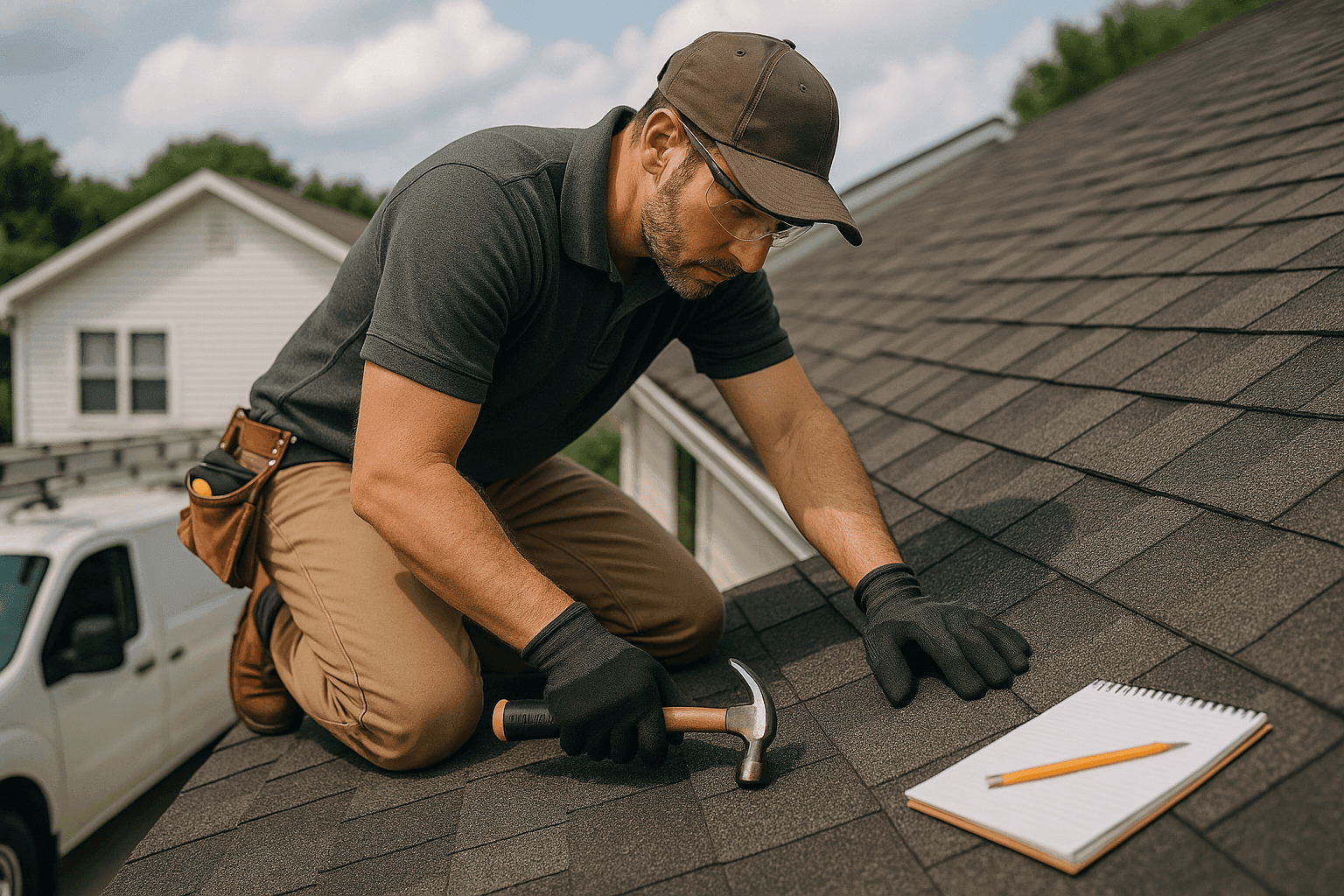
Is there a mysterious stain creeping across your ceiling? Maybe you’ve heard the telltale drip of water during a storm. Roof leaks have a way of showing up at the worst possible moments—late at night, in the middle of a downpour, or when you least expect it.
At B & K Roofing, we understand how stressful a roof leak can be. Whether you own a home or a small business, knowing what to do next can make all the difference. This guide walks you through every step, from early warning signs to knowing when it’s time to call for emergency roofing help.
Spotting the Signs: How Roof Leaks Reveal Themselves 🕵️
Leaks aren’t always as obvious as a puddle on the floor. Sometimes, they whisper before they shout. Here’s what to watch for:
- Water stains on ceilings or walls, often ringed with brown or yellow.
- Peeling paint or bubbling wallpaper, especially near the ceiling.
- Mold or mildew patches, even in rooms that usually stay dry.
- Musty odors that linger after rain.
- Dripping sounds in the attic or behind walls.
- Damaged or missing shingles visible from the ground.
- Granules in gutters—those tiny bits from asphalt shingles.
- Warped or sagging roof decking seen from the attic.
- Rusty or loose flashing around chimneys, vents, or skylights.
Sometimes, leaks hide. Water travels along rafters or insulation before surfacing. A small stain today could mean a much larger problem brewing above.
Quick Safety Checklist Before You Inspect
Safety first—always. Roofs are unforgiving, especially when wet or damaged. Before you go any further:
- Wait for dry weather. Wet roofs are slippery and dangerous.
- Use a stable ladder with non-slip feet.
- Wear rubber-soled shoes for good grip.
- Never inspect alone. Have someone nearby in case you need help.
- Avoid stepping on damaged areas. Weak decking can give way.
- Watch out for power lines and overhead hazards.
- Use gloves and eye protection when handling debris or insulation.
If you feel uneasy at any point, step back. Roof inspection isn’t worth risking a fall.
DIY or Call a Pro? Knowing Your Limits
You might be handy with a hammer, but roof leaks can be trickier than they look. Here’s when you might handle it yourself—and when to bring in emergency roofing experts like B & K Roofing.
When DIY Makes Sense
- Clogged gutters: Cleaning out leaves and debris is safe for most.
- Loose downspouts: Reattaching with screws or brackets.
- Minor shingle replacement: If you’re experienced and conditions are safe.
When to Call B & K Roofing
- Active leaks during storms: Water inside means urgent action.
- Multiple leaks or widespread damage: Not a quick fix.
- Structural issues: Sagging, bowing, or soft spots.
- Steep, high, or complex roofs: Risk of falls increases.
- Electrical hazards: Water near wiring or fixtures.
- Unexplained mold growth: May signal hidden leaks.
Remember: A roof is more than shingles. Underneath are layers of insulation, decking, flashing, and sealants. If you’re unsure, it’s safer—and often less expensive in the long run—to call in a professional.
What Pros Do On Arrival
When you call B & K Roofing for emergency roofing, here’s what to expect:
1. Assessment
We start with a thorough inspection, inside and out. That means checking the attic, roof surface, gutters, flashing, skylights, and chimney caps. Our team looks for both the source and the path of the leak.
2. Temporary Protection
If water is entering your home or business, we install tarps or emergency sealants to stop further damage. Quick action here can save thousands in repairs.
3. Diagnosis
We identify the exact cause—damaged shingles, failed flashing, blocked gutters, cracked skylights, or worn sealants. Sometimes, leaks come from multiple sources.
4. Permanent Repairs
Depending on the problem, repairs might include:
- Replacing damaged shingles or tiles
- Sealing cracks and gaps with professional-grade products
- Repairing or replacing flashing around chimneys, skylights, and vents
- Fixing or reinstalling gutters and downspouts
- Addressing insulation or ventilation issues
We follow safety standards set by the National Roofing Contractors Association and OSHA guidelines to keep everyone safe.
5. Final Inspection
After repairs, we double-check everything. No shortcuts. We want you to feel confident your roof is ready for the next storm.
Types of Leaks—and How They’re Fixed
No two leaks are quite the same. Here’s how different problems are tackled:
Shingle or Tile Damage
- Symptoms: Missing, cracked, or curled shingles; visible gaps.
- Fix: Replace damaged pieces, check underlayment, reseal as needed.
Flashing Failures
- Symptoms: Leaks near chimneys, skylights, or roof valleys.
- Fix: Remove old flashing, install new metal, seal with roofing cement.
Gutter and Downspout Issues
- Symptoms: Overflowing gutters, water pooling near foundation.
- Fix: Clean out debris, reattach loose sections, repair leaks with sealant.
Skylight or Vent Leaks
- Symptoms: Water around skylights or vents, especially after rain.
- Fix: Reseal with appropriate flashing, replace cracked glass or frames.
Flat Roof Leaks
- Symptoms: Ponding water, blistered or split membranes.
- Fix: Patch membranes, reinforce seams, reapply coatings.
Structural or Decking Damage
- Symptoms: Sagging roofline, soft spots, interior water damage.
- Fix: Replace compromised decking, reinforce structure, address ventilation.
Temporary Emergency Fixes
Sometimes you need a quick fix to keep water out until help arrives. Here are a few safe, temporary solutions:
- Plastic tarps: Secure tightly with boards or heavy objects (never nails through the roof).
- Roofing tape: Apply over small cracks or holes for a watertight seal.
- Buckets or towels: Catch drips inside to prevent further damage.
These are stopgaps. They buy time, not a permanent solution. Don’t delay calling for professional repairs.
Prevention & Maintenance: Keeping Leaks at Bay 🛡️
A leaky roof is like a toothache—easier to prevent than to fix. Here’s how to keep your roof strong year-round:
Regular Inspections
- Twice a year: In spring and fall, check for damage, debris, and wear.
- After major storms: Look for missing shingles, dented metal, or clogged gutters.
Gutter Maintenance
- Clean gutters and downspouts: Prevent backups that force water under shingles.
- Check for leaks or loose sections: Repair promptly.
Sealants and Coatings
- Inspect seals around vents, skylights, and chimneys: Reapply as they age.
- Consider reflective or eco-friendly coatings: These can extend roof life and improve energy efficiency.
Attic Ventilation & Insulation
- Check for proper airflow: Prevents moisture buildup that can rot wood and grow mold.
- Upgrade insulation: Keeps your home comfortable and reduces ice dams.
Trim Overhanging Branches
- Keep trees away: Falling limbs and accumulated leaves are leak magnets.
Professional Maintenance
- Schedule annual inspections: Trained eyes spot problems early, before they become emergencies.
Costs & Time Factors: What to Expect
Roof leak repair costs and timelines vary widely. Here’s what influences the process:
- Extent of damage: Small leaks may be fixed in an hour; structural repairs take longer.
- Roof type: Metal, shingle, tile, and flat roofs each require different materials and skills.
- Accessibility: Steep or high roofs take more time and labor.
- Materials needed: Replacement shingles, flashing, sealants, or decking.
- Weather: Rain or snow can delay work for safety.
Most minor repairs are completed the same day. Larger jobs, like structural or full roof replacements, may take several days. Emergency roofing services prioritize stopping active leaks first, with permanent repairs scheduled as soon as conditions allow.
When It’s an Emergency 🚨
Not all leaks are created equal. Here’s when to act fast:
- Active water entry: Water dripping or pouring inside.
- Ceiling collapse risk: Bulging or sagging drywall.
- Electrical hazards: Water near lights, outlets, or breaker panels.
- Storm or wind damage: Missing shingles, exposed underlayment.
- Repeated leaks: Multiple areas affected, especially after recent repairs.
In these situations, don’t wait. The longer water sits, the more damage it does—to your roof, insulation, walls, and even your foundation.
FAQ: Roof Leak Repair
How can I tell if a leak is coming from the roof or plumbing?
Roof leaks usually appear after rain and often show up in attics or top-floor ceilings. Plumbing leaks can happen anytime, often near bathrooms or kitchens. If in doubt, a professional inspection can pinpoint the source.
Are roof leaks covered by insurance?
Many policies cover sudden, accidental damage (like storm-related leaks), but not leaks from age or neglect. Always check your policy and document damage for claims.
Can a small leak wait?
Even tiny leaks can cause major problems—mold, rot, and structural damage. It’s best to address any leak as soon as you notice it.
How often should I have my roof inspected?
Twice a year is ideal—once in spring, once in fall. After severe storms, it’s smart to check again.
Special Considerations for Roof Leak Service
Every roof is unique. Here are some things to keep in mind:
- Eco-friendly options: Modern sealants and coatings can be safer for your family and the environment.
- Historic or specialty roofs: Tile, slate, or metal roofs require specific skills and materials.
- Skylights and chimneys: These features need special attention—improper flashing is a common leak source.
- Commercial roofs: Flat or low-slope roofs often hide leaks longer; regular inspections are crucial.
- New construction: Proper installation of underlayment, flashing, and ventilation prevents leaks before they start.
B & K Roofing brings decades of experience with all roof types, from homes to businesses, shingles to metal, skylights to decking. Our team is ready 24/7 for emergency roofing needs—no matter the hour or weather.
Leaks don’t wait. Neither should you. Call B & K Roofing now — or reach us anytime at 877-705-6856 .